
The Risks and Rewards of Mamdani's $30/Hr Minimum Wage Plans
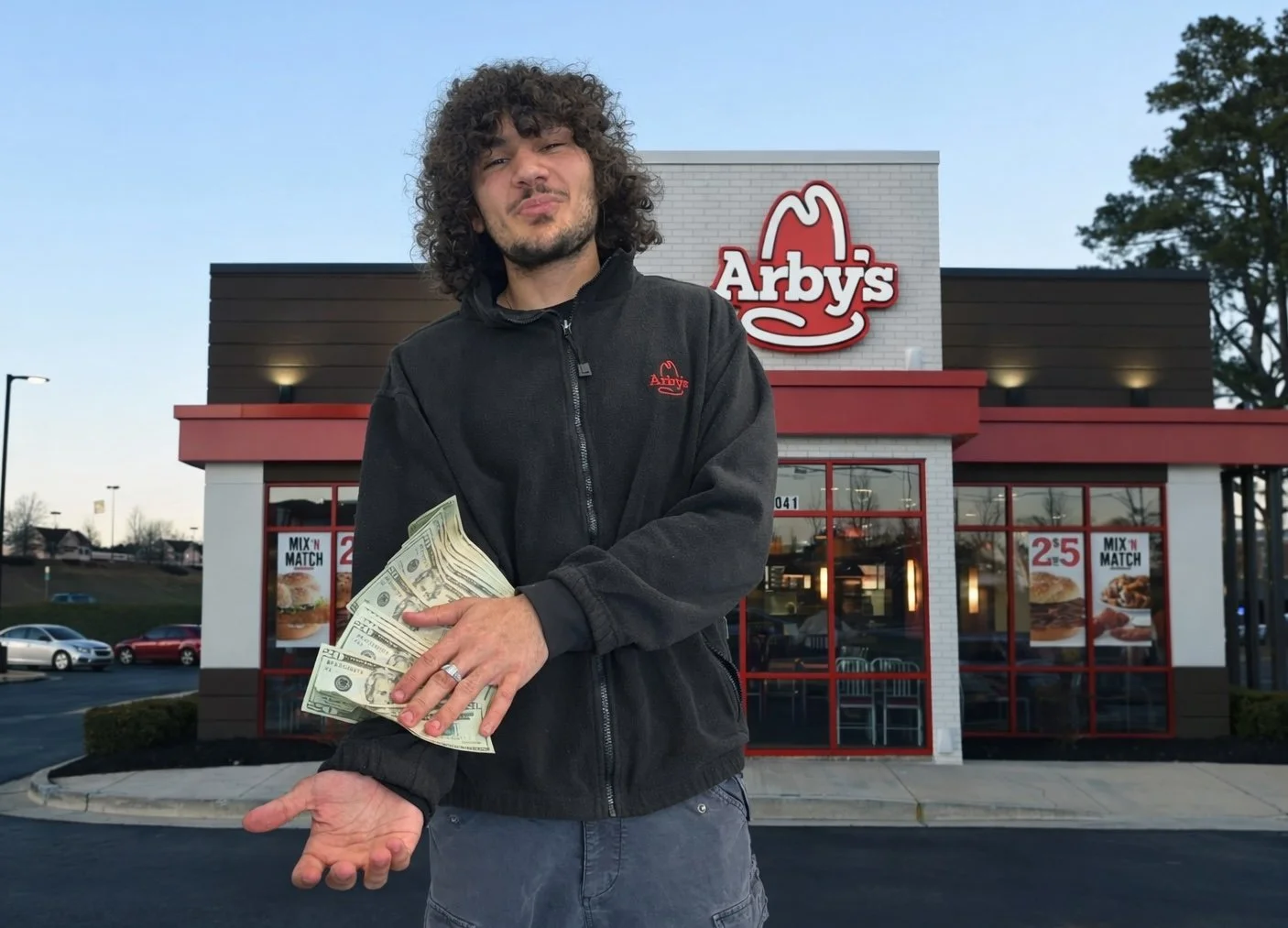
Fast food workers would get a big boost from Mamdani’s planned increase — but would it lead to job losses and higher prices? Photo: Martino Pierre
By MARTINO PIERRE
In the Big Apple, bigger and bigger bites are being taken out of workers' paychecks, but Mayor Zohran Mamdani has a big plan to fix it.
Recently, New York City Councilmember Sandy Nurse proposed a bill that would raise the city's minimum wage to $30 by 2030 for employers with more than 500 workers, and $29 by 2031 for employers with fewer than 500. This comes after Mamdani's “$30 by 2030” initiative during his successful campaign for mayor, in which he promised the same thing. While the plan is ambitious, is it doable, and is it even a good idea?
There are some concerns about whether or not Mamdani has the power to increase the minimum wage, as currently, the state sets the limit. Mamdani does have the support of Governor Kathy Hochul, though, and with his popularity on the rise, it isn’t far-fetched to say Hochul will align herself with his agenda to boost her favorability, especially with younger voters.
The current minimum wage is $17 per hour, a far cry from $30. However, many people argue that the current minimum is too low due to the rising cost of living. NYC is currently the most expensive city in the United States to live in, with an average rent of $3,400 for a two bedroom apartment. According to the Economic Policy Institute, the current minimum wage is about half of the cost of living in NYC, while it is around 75% in Washington, D.C. and 80% in Chicago.
According to the Bureau of Labor Statistics, since 2021, rent in NYC has risen 31% and food prices have gone up 27%. This affordability crisis has led to some New Yorkers questioning their future in the city. Forty-six percent of people living here have thought about leaving, according to the Fiveboro Institute. A rise in the minimum wage may also allow people to get off of government assistance, as people would be better able to support themselves.
However, some have argued that a dramatic increase to $30 would have heavy effects on the economy, particularly small businesses. “Small businesses are really vital; it is a risk to raise the minimum wage, which might force them out of the city,” said Mr. Joseph Peters, a history teacher. “What do they get replaced by? Big businesses that hurt everybody.”
City Journal has criticized Mamdani’s plans. "A jump to $30, even phased in over four years, could imperil many small firms—particularly those in retail and food service, which operate on thin margins,” Santiago Vidal Calvo wrote for the magazine. A Harvard Business School analysis also concluded that a $1 rise in the minimum wage increased the risk of the average restaurant closing down by 14%, so a $13 raise, even spaced out over four years, could have disastrous effects.
Furthermore, a jump in the minimum wage can result in some workers' hours being cut, and an increase in automation in the workforce. The University of Washington conducted a study that actually showed a slight decrease in net earnings for workers after Seattle raised the minimum wage. While workers' pay increased 3.4%, they also experienced a 7% reduction in hours. With the rise of AI, this shift could lead to more AI usage to replace human labor. Prices may also go up, as companies strive to maintain profits while paying higher labor costs.
While those concerns should be monitored, they do not outweigh the need to fix the current affordability crisis. Workers today face cost-of-living prices that far exceed the current pace of wage growth, and every day, more and more New Yorkers struggle to meet basic needs. Additionally, evidence from the Economic Policy Institute suggests that higher minimum wages can increase consumer spending, which can stimulate economic growth.
Although a staggering increase to $30 per hour may be unrealistic and could have negative consequences, keeping the minimum at $17 is not a viable option either. A better way of going about things would be to take a more balanced approach, gradually increasing the minimum wage to better align with the cost of living, with raises being directly proportional to inflation – about 3% a year. This approach would mean that the minimum wage would be $19.50 per hour by 2030, helping workers afford the city without putting too much strain on local businesses. Ultimately, policy should strike a balance between fairness and corporate sustainability in order to improve quality of life in the Big Apple without putting too much strain on the economy.